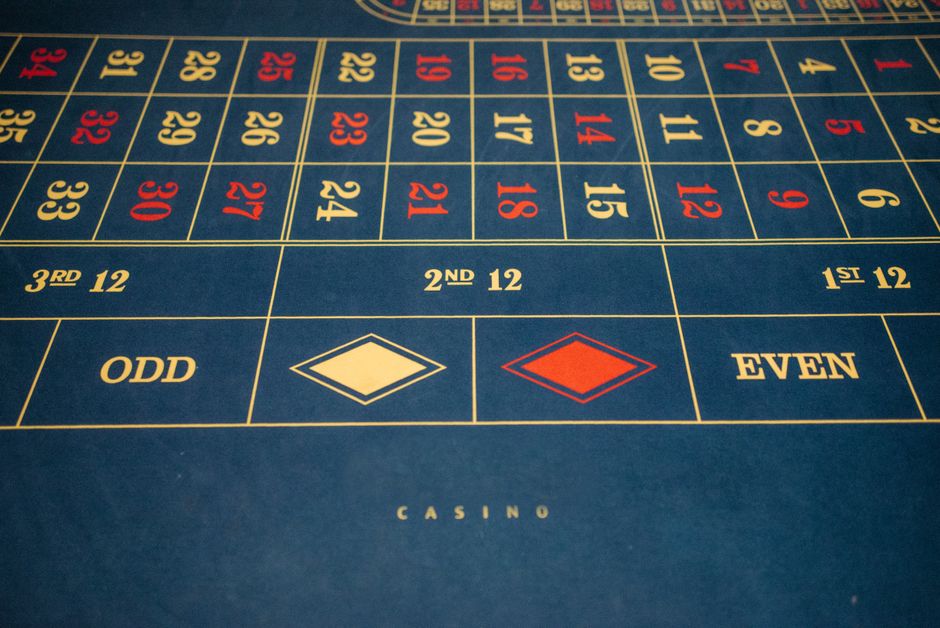
Ask ten people what igaming means and you'll get ten answers. One person pictures a slot machine spinning on a phone at 2 a.m. Another thinks of a poker table where a guy named BluffKing99 just went all-in on a gutshot. Somebody else imagines spreadsheets, licensing jurisdictions, and payment processors. Here's the thing: they're all right. iGaming is the entire ecosystem — casino games, sports betting, poker, live dealers, and the infrastructure that keeps the lights on. And after spending years around this industry, I can tell you the gap between how outsiders see it and how it actually works is wider than most people realize.
Let's talk about it properly. No hype, no scare tactics, no promises of overnight riches.
The Slot Machine Isn't Dumb — You Might Be
Modern slots aren't the mechanical three-reelers your grandparents fed quarters into. Today's games run on RNGs (random number generators) that determine every outcome before you even press spin. There is no "due" jackpot. There is no machine that's "hot" or "cold." A slot's behavior over a million spins is governed by math, not mood. For up-to-date information, visit L'Avenue Dubai.
What matters is RTP and volatility. RTP — return to player — is the theoretical percentage of all wagered money a game pays back over time. A 96% RTP slot keeps 4% for the house, on average, across millions of spins. Volatility describes how that return is distributed. Low-volatility games pay small amounts often; high-volatility games can go hundreds of spins without a nibble, then hit something massive.
- Try before you buy: Most reputable casinos offer demo modes. Use them to feel out a slot's rhythm before committing real money.
- Match volatility to your bankroll: A $50 session and a 10,000x-max-win slot are a bad marriage. Stick to lower volatility if your budget is tight.
- Ignore "strategies": Stop-spin patterns, bet-sizing tricks, timing-based systems — none of them change the math.
One more thing: bonus buy features can be tempting, but they usually cost 50x–100x your base bet. They're not a shortcut. They're a bigger swing with the same edge baked in.
Poker Is the Only Game Where You're Not Playing the House
Here's why poker remains the most intellectually honest game in iGaming: you're not battling the casino. You're battling other players, and the house just takes a rake — a small cut of each pot. That changes everything.
In blackjack or roulette, the house edge is fixed. In poker, your edge depends entirely on how well you play relative to the table. A solid player at a soft table can win consistently. A mediocre player at a tough table won't, no matter how many hours they grind.
If you're getting into online poker in 2025, focus on a few fundamentals:
- Position, position, position. Acting last gives you information. Information is money.
- Bankroll management. Never buy into a cash game for more than 5% of your total poker bankroll. For tournaments, 1–2% per buy-in.
- Track everything. Free tools like hand histories and session logs expose leaks you'd never notice otherwise.
- Play fewer hands. Beginners lose most of their money calling too much with mediocre holdings.
Ignore the lure of multi-tabling twelve tables at once until you're profitable at one. Volume amplifies both wins and mistakes.
Sports Betting: The Line Is Smarter Than You
Since the U.S. Supreme Court struck down PASPA in 2018, sports betting has exploded across dozens of states. And with that explosion came a flood of casual bettors convinced they can outsmart the market. Most can't. Sportsbooks employ quants, algorithms, and decades of historical data to set lines. The vig — usually around 4–5% on a standard two-way market — ensures they profit regardless of outcomes.
That doesn't mean betting is hopeless. Sharp bettors win by finding inefficiencies: injury news the market hasn't priced in, weather factors, or public bias inflating one side of a line. But it's a grind, not a lottery ticket.
A few realities worth internalizing:
- Parlays look exciting and have brutal holds. A four-leg parlay can carry a 20%+ effective house edge.
- "Locks" don't exist. Anybody selling guaranteed picks is selling you a fantasy.
- Bonus terms matter more than bonus sizes. A $1,000 bonus with a 40x rollover and 7-day expiry is often worth less than a $100 bonus with 5x and 30 days.
Licensing, Safety, and the Boring Stuff That Actually Matters
Here's the part most players skip — and regret skipping. Not all online casinos are created equal. A licensed operator in Malta (MGA), the U.K. (UKGC), Gibraltar, or a U.S. state like New Jersey or Pennsylvania operates under real regulatory oversight. That means audited RNGs, segregated player funds, dispute resolution, and responsible gambling tools.
Unlicensed sites can vanish with your balance and offer zero recourse. If a casino won't clearly display its license number and regulator, close the tab.
Quick pre-deposit checklist:
- Is the license visible and verifiable on the regulator's website?
- Are withdrawal terms clear — fees, processing times, limits?
- Are there realistic responsible gambling tools, like deposit caps and self-exclusion?
- Do independent audits (eCOGRA, iTech Labs) vouch for the games' fairness?
Do this once per operator and you'll save yourself a nightmare later.
Bonuses: Read the Fine Print or Don't Bother
Welcome bonuses are marketing, not charity. That 200% match up to $2,000 usually comes with wagering requirements, game contribution weightings (slots often count 100%, but blackjack might count 10%), max bet caps, and expiry windows measured in days, not months.
The math is simple: a $500 bonus with 35x wagering means you must bet $17,500 before withdrawing anything from the bonus. If the game has a 96% RTP, your expected loss on that volume is around $700. Suddenly that "free" $500 looks expensive.
That doesn't mean never take a bonus. It means compare terms the way you'd compare interest rates. Some reloads, cashback offers, and free spins packages are genuinely +EV. Most headline-grabbing welcome offers are not.
The Long Game
If there's a single thread running through casino games, poker, and sports betting, it's this: the house — or the market — always has an edge over the average player. iGaming isn't a wealth-building strategy. It's entertainment, and like any entertainment, it costs money. The players who enjoy it most set hard limits before they log in, treat losses as the price of admission, and never chase.
That's not a buzzkill. It's what separates someone who plays for fifteen years without drama from someone who blows through their savings in a weekend. The games won't change. Your approach can. Pick volatility that fits your budget, protect your bankroll like it's the last one you'll ever have, and remember the only guaranteed winners in this industry are the ones selling you the dream.